
Plot Twist: I Am Neurodivergent
- Michelle Carlos

- 5 hours ago
- 21 min read
How experiencing a series of meltdowns led me to discover my neurodivergence, pursue a diagnosis, and uncover insights that could alter your perception of autism and ADHD in women.
Disclaimer: This content is drawn from my personal experiences and is not intended to provide psychiatric advice. If you or someone you know has similar experiences, please seek appropriate medical or psychological assistance. I've included hyperlinks and additional resources below for your reference. Please be aware that some situations and language may be distressing.

What triggered the meltdowns?
On one frosty day in early 2025, I felt an overwhelming need to embrace myself as I sat in the car. We were returning home from a two-week anything-goes road trip through southern Europe, which concluded with a visit to friends in Paris. Tears streamed down my face, and I had no idea why. In my own little dark world on my side of the moving vehicle, my confused husband continued driving. I desperately wanted to cling to something, but all I had were my racing thoughts and the music blaring from my brand new noise-cancelling headphones, a gift for my 44th birthday. Once I calmed my breathing and regained my voice, I held my husband's hand and reassured him that my breakdown wasn't related to him. Was it the travel fatigue, the two days of socializing, or the argument with my brother two days before Christmas that kept replaying in my mind?
Later that month, I completed an audiobook about the experiences of autistic women, Women and Girls in the Autism Spectrum by Sarah Hendrickx. The following morning, as I sat on my yoga mat reflecting on the stories I had heard and wearing noise-cancelling headphones, the song "Exile" by Taylor Swift started playing randomly, and I began to weep again. After several days of intensive research, I ultimately affirmed that I am autistic, have ADHD (attention-deficit/hyperactivity disorder), and experienced trauma growing up undiagnosed in the Philippines. My entire life flashed before me much clearer and painful at the same time. Unwelcome memories I have repressed resurfaced. I did not know if I was crying for the joy of finding my answers or the pain of being misunderstood and punished for being autistic and with ADHD all 44 years of my life. It felt very Murakamiesque, and within the song's duration, I was flooded by emotions and memories. I desperately needed to be diagnosed so I may be validated and finally get the appropriate medical and psychiatric support now and as I age. I needed to know.
“Autism spectrum disorder is characterized by persistent deficits in social communication and social interaction across multiple contexts, including deficits in social reciprocity, nonverbal communicative behaviors used for social interaction, and skills in developing, maintaining, and understanding relationships. In addition to the social communication deficits, the diagnosis of autism spectrum disorder requires the presence of restricted, repetitive patterns of behavior, interests, or activities.” (American Psychiatric Association, 2013, DSM-5)

“ADHD is a neurodevelopmental disorder defined by impairing levels of inattention, disorganization, and/or hyperactivity-impulsivity. Inattention and disorganization entail inability to stay on task, seeming not to listen, and losing materials, at levels that are inconsistent with age or developmental level. Hyperactivity-impulsivity entails overactivity, fidgeting, inability to stay seated, intruding into other people's activities, and inability to wait—symptoms that are excessive for age or developmental level. In childhood, ADHD frequently overlaps with disorders that are often considered to be "externalizing disorders," such as oppositional defiant disorder and conduct disorder. ADHD often persists into adulthood, with resultant impairments of social, academic and occupational functioning.” (American Psychiatric Association, 2013, DSM-5)
No, I’m not like Rain Man
If you've met me or known me for years, you might say, "But you don't look autistic." This is a common reaction, likely due to your own biases and limited understanding of the condition. I don't blame you for not knowing. When I first started learning about autism and ADHD before my formal diagnosis, I also struggled to believe I was autistic because of my own insufficient understanding shaped by pop-culture portrayals, gender-biased criteria, and the limited literature on the lived experiences of neurodivergent individuals. But the more I dug deeper and found testimonies of autistic and/or ADHD adults, especially women, albeit mostly white and English speaking, I could in some degree relate to their experiences of living in a society not built to accommodate our needs. After all, women have faced underrepresentation in the medical field for centuries, and this is even more pronounced for neurodivergent women. For generations, women have been called weird, crazy, problematic, defiant, hypochondriac, hysterical, non-conformist, bitchy, a witch and all other derogatory words before any formal diagnosis was even allowed. Even today, women and girls are placed in mental institutions or prescribed incorrect and often harmful treatment merely to manage their symptoms. In my experience a psychiatrist, who is supposed to be an expert in autism, prescribed me antidepressants right away and proposed a stay in a rehab without evaluating my psychological assessment report, my current medication or even my health status. She also flat out declared I was not autistic because I could look her in the eye, have traveled all over and have a list of accomplishments. So I noted this doctor as a red flag, never returned for a follow-up and threw away the prescription. By the way, I was looking at her mouth or her forehead from a 2-meter distance.
“Women are more likely to be offered minor tranquillisers and antidepressants than analgesic pain medication. Women are less likely to be referred for further diagnostic investigations than men. And women’s pain is much more likely to be seen as having an emotional or psychological cause, rather than a bodily or biological one.” (Elinor Cleghorn, Unwell Women: A Journey Through Medicine and Myth in a Man-Made World)
It has been a standard for decades since autism and ADHD’s discovery that these neurodevelopmental conditions present only on boys. This is primarily due to boys exhibiting more external signs of traits like hyperactivity in ADHD, whereas most girls display internal symptoms, often going unnoticed unless there are evident comorbid conditions like intellectual, motor, and/or speech impairments. The hyperactivity is in the brain such as the endless thoughts that keep us awake all night and running on “several open tabs” all day. It turns out that not everyone have racing thoughts or literal “neural noise” before sleep. Women or girls have also subconsciously developed so-called camouflaging or masking behaviors in social situations to keep them safe from detection, criticism and worst of all, bullying. In addition to experts not accepting the co-occurrence of both autism and ADHD in one person, many clinicians are also not trained to identify overlapping traits and symptoms.

In the 80’s attention to the condition arose because of the romanticized representation of autism in the Oscar-winning movie, Rain Man. Although many individuals with autism have additional disabilities like speech impairment, catatonia, or even intellectual impairment and cognitive dysfunction, including mental health disorders, requiring constant support, there are others who can lead typical lives in society. However, they must exert significant effort to manage and conceal their "quirks" to blend in, often without being able to name their experiences. You might even know one of us. We are the branded “weirdos” in a social group. Some are gifted, too, that a few even reach the savant level of giftedness, may it be in the arts, sciences, extraordinary memory recall, unusual hobbies or even extreme sports. It all depends on the neurodivergent individual’s hyper-focused hyper fixations and special interests. We are, however, not at all like Rain Man or Sheldon Cooper, who are by the way, both fictional, hyperbolic and 1-dimensional representations of autism. Judging by my mathematical deficiency (suspected dyscalculia, a number-based learning disorder), I certainly am not like those pop-culture icons. Simply saying, I didn’t get the maths flavor of autism.
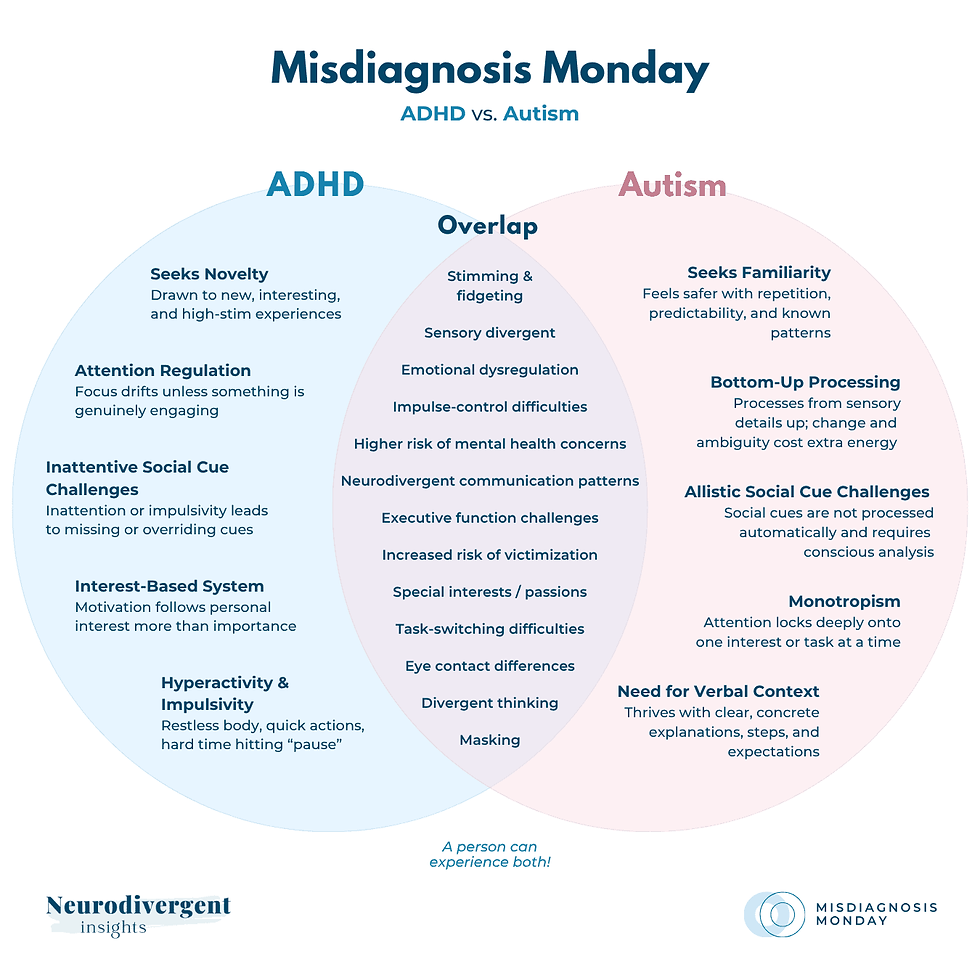
Kidding aside, there is no particular “look” of autism and ADHD. What many of us actually do is learn to appear and behave neurotypical (also "allistic" or individuals without the neurodevelopmental disorders) to the extent that it leads to exhaustion and burnout. The neurotypical environment can be very stressful or unsafe for neurodivergent individuals when there is a lack of support and accommodations. Therefore, telling someone “you don’t look autistic” is never a compliment. Such a statement merely reflects the lack of understanding about the difficulties of the autistic person.
“If you know one autistic person, you know one autistic person.”

Also we are all not “a little bit” autistic or ADHD. This only minimizes the debilitating effects of the conditions, which are actually neurodevelopmental, meaning people are born with this type of brain that is wired to hypersensitivity to stimuli, heightened “systemizing mechanism,” exceptional pattern recognition (The Pattern Seekers, Baron-Cohen, 2020), a difference in social interaction and communication and hyper focused interests and activities. Although everybody has special interests and some degree of sensitivity to stimuli, the variation in neurodivergence lies in how often and how intensely traits appear, which neurotypicals might perceive as extraordinary or exceptional.
Like overgrown tree branches that were not trimmed, synapses in the brain, structures that connect nerve cells called neurons to exchange signals, were not trimmed during the affected child’s crucial developmental period hence making the autistic individual highly sensitive to stimuli. Recent brain scan studies also show that it is now possible to identify at least two subtypes of autism: hypoconnectivity and hyperconnectivity. The conditions are known to be about 60%-90% genetic but may also be caused by environmental factors but certainly not vaccines nor Tylenol as several studies have already debunked. Autism and ADHD are two major but separate conditions within the neurodivergent spectrum that frequently co-occur, in which traits and symptoms may overlap including comorbid mental illness such as depression and anxiety depending on the individual’s life experiences.
The Diagnostic and Statistical Manual of Mental Disorders, Fifth Edition (DSM-5), is the 2013 update to the Diagnostic and Statistical Manual of Mental Disorders, the taxonomic and diagnostic tool published by the American Psychiatric Association (APA). In 2022, a revised version (DSM-5-TR) was published. In the United States, the DSM serves as the principal authority for psychiatric diagnoses. (Wikipedia)
Major revisions, although still inadequate, in the current medical criteria through the DSM-5 have been implemented since 2013 in harmony with ICD-10. It now recognizes girls and adults to be diagnosed as well as placing all neurodivergent conditions and disorders under one umbrella—a spectrum, and categorizing 3 levels of support needs for the autistic group (level 1, 2, 3) as well as ADHD types (inattentive, hyperactive-impulsive, combined).
The latest revision ignited a movement to advocate for accommodations and wider acceptance of neurodiversity in many sectors of the society. Many women as well as LGBTQ+ individuals began to voice out their own life-long experiences as diagnosed or undiagnosed autistic/ADHDer/AuDHDer in all media platforms. A rise in diagnosis inquiries worldwide is due to greater awareness and better diagnostics, not an increase in incidences. We've been neurodivergent all along, but nobody knew.
ICD-10 is the 10th revision of the International Classification of Diseases (ICD), a medical classification list by the World Health Organization (WHO) (Wikipedia)

How did I discover I am AuDHD?
AuDHD is a community-created term for people with dual diagnosis of autism and ADHD to differentiate from the those diagnosed only with autism or ADHD mainly because the presentation of traits and symptoms, often contradicting, overlap. Some even call it a "Jekyll and Hyde syndrome" because of the duality in behaviors that were also often misdiagnosed as bipolar disorder without the mania. It is not an official medical term but it is also being used now by experts in the field. The term has also gained popularity in social media in recent years.
If you have been following my artistic journey and reading this blog, you know that I have been open about my mental health issues and cancer story. I have been cancer-free for 11 years and yet I cannot help but wonder why I had it. None of my doctors are interested in answering this question. As long as I am in remission, my current long list of symptoms are insignificant—whether or not they diminish my quality of life. I have been researching this topic, particularly as I have been dealing with severe and simultaneous post-menopausal symptoms, such as chronic pain, cyclical mental health issues, and social challenges that my HRT (hormone replacement therapy) can no longer address, and for which no lab or MRI scan results could provide an explanation.

My fundamental question was why I developed cancer despite being young, living a relatively health-conscious lifestyle without alcohol, smoking, or drug use, engaging in sufficient exercise, maintaining an ideal weight, and having negative DNA results (I don't possess the cancer genes), yet having a comprehensive medical history of conditions that may or may not be related. I was in search for the root cause.
Is it possible though that they are connected? After all, the human body is one whole system, correct? It turns out that medical practitioners don’t see it that way. We are often examined in parts by specialists in their fields and they rarely converse with one another. Your back hurts? Here’s a transfer prescription to an orthopedic. Feeling anxious? Take a pill. Palpitations? Book an ECG. As soon as your labs turn out unremarkable, you are written off as normal and asked to come back after 6 or 12 months, if your budget or insurance allows it. As patients, how would we even know how to connect the dots if the doctors themselves don’t? If you're a woman in your midlife, expect even more instances of medical gaslighting. In fairness, there are notable clinicians stepping up the plate and speaking out for us about this topic and how much recognition, research and implementation are still needed to support women as well as the neurodivergent community. A lot of them are women and neurodivergent themselves.
"I feel lucky to be living through an era when women are speaking out about what our mothers’ generation navigated in silence, but solidarity is no substitute for systemic change." (Melina French Gates, New York Times, 2026)
Moving on, I began looking into each of my current symptoms and past diagnoses and plotted them into each major life stages from childhood, teens, young adult, and midlife. I also included traits and social behaviors (i.e. introverted, hyper independence, creative, perfectionist, etc.). What did people call me: weird, unpredictable, a snowflake, gifted, day dreamer, lazy, sensitive, miss-know-it-all, Miss Minchin!? I added major life events such educational achievements, social relationship patterns, family dynamics and migration. Were they just one off or recurring symptoms? Did symptoms manifest or worsen during any of the major life event? A lot of the symptoms and traits have been present from childhood like skin picking, bruxism, tinnitus, certain aversions and intolerance to food (i.e. caffeine, alcohol and balut, a Filipino duck egg delicacy), high sensitivity to sounds, smells, textures or artificial light, nightmares, but most significantly are the persistent reproductive health issues that began as soon as I reached menarche. I have been diagnosed with and consistently treated for hormonal imbalance including PCOS and menorrhagia since my teens all through my 20’s until my cancer diagnosis at 34 years old. I was on and off synthetic hormone pills all through my teens until my 30’s. Then I asked what causes hormonal imbalance and all of these other symptoms? Stress was a common denominator. Then I checked what causes stress in children? Being autistic was at the top of the list. The dots are lining up.
Studies have linked highly sensitive personality (HSP), stress and health problems as well as autism and C-PTSD. I scored 94% in the HSP test but the result only revealed a layer of the story so I kept digging.
Years ago during a therapy session, I casually asked my therapist if I was on the spectrum. However, there is something about the official childhood autism criteria that did not particularly match with my own experience. Even the pages of the gold standard of autism diagnostic questionnaire, ADI-R (Autism Diagnostic Interview-Revised), that my therapist handed me was not relatable. I even asked my parents to answer them for me, and they also found them difficult. My therapy ended but I never received the results of that test so I ignored the possibility that I might be autistic, until that meltdown in the car.
I wondered why I was having meltdowns more frequently recently in private and in public—as in crouched like a crying child on the street! Why did I always feel misunderstood and end up having the same arguments with family members? Why was I always exhausted after socializing? Why was I falling off my tried and tested routine? Why could I not concentrate and finish my work—a job I absolutely love? Why am I spiraling down to depression and anxiety again after my therapist gave me a clean bill of mental health? Why did my HRT stop being effective against cognitive issues even at the maximum permitted dosage? Why on earth am I suddenly finding so much enjoyment and comfort in fidget spinners, plushies, Loop earplugs, wearing sunglasses indoors, and flapping like a bird?

Reframing My Query
This led me to inquire specifically about autism in adult women this time. Lo and behold! I found several recently published medical resources, including journals, books, TedTalks, virtual seminars, and podcasts, and came across numerous women who have been discussing their autism and ADHD symptoms and diagnoses. Now I can relate to their experiences especially when hormones are in the conversation. I even researched cases of adult autism and ADHD in the Philippines, but unfortunately, these topics are not well documented or widely discussed, which accounts for the general lack of awareness and interest. I checked if each of my symptoms are present in autism and ADHD. Entries like “tinnitus and autism,” “bruxism and autism” or “hormonal imbalance and ADHD” all flooded my Google search history. Each time, a medical study or two appeared as top results. I was on a roll. I read and cross checked them all. It was one study after another. This cannot merely be a coincidence. At that time, I was still unaware of the growing social media trend and the increasing movement to acknowledge female autism and ADHD phenotype. I was on my own deep-dive direction to clarity and validation. The fact that I was researching this topic was insight alone.
Symptoms and traits do overlap and intensify in women especially during peri-/menopause because of fluctuating hormone levels.
That’s right: neurodivergence has a lot to do with the interaction of hormones and neurotransmitters. For example, estrogen supports delivery of dopamine, a neurotransmitter that drives behavioral symptoms of ADHD together with serotonin and norepinephrine. Also estradiol and progesterone influence gamma aminobutyric acid (GABA) and glutamate uptake that affect neurological functions in autistic women. Testosterone has long been associated with autism. An imbalance in the neurochemistry may not only explain anxiety and depression but also the “unmasking” of undiagnosed neurodivergent women in midlife. I was forced into menopause overnight after my hysterectomy, which was in fact a brutal shock into my system, especially at 34 years of age. For more than a decade, I have been entirely reliant on HRT and yet cognitive health issues persist.
"Autistic people reported significantly higher rates of bothersome psychological and somatic menopause symptoms than non-autistic people." (Rebecca Charlton et al. 2024)
Finally I asked if neurodivergent people have an increased risk of cancer. I found studies about autistic people developing certain cancers as early as in their 30s. Although autism alone does not cause cancer, the strong link between cancer and autism due to co-occurring conditions is enough to support my hypothesis. Cancer cells develop over a period of time. In particular endometrial cancers develop slowly over several years.
Now this is where experts would throw a word of caution: correlation does not imply causation. Never mind that. I have my life story and medical history to back this up. To me it just makes sense because unsupported neurodivergent individuals are highly stressed, chronic stress exacerbates inflammation and chronic inflammation drives cancer development. Throughout my life, I have been unusually and unknowingly stressed, living in survival mode in a world designed without neurodivergent individuals in mind!

Seeking Validation
I searched for a clinician in my area who can diagnose specifically the adult presentation of autism and ADHD as well as C-PTSD (complex post-traumatic stress disorder). I had no idea that the waiting period for an appointment took months up to years worldwide! While waiting for a response, I continued my research and preparation.
I was quite specific that the clinician should be able to converse in English. It’s an advantage that Stuttgart is home to many Americans stationed in the US military base. A network of English-speaking therapists exists and I was fortunate to have found one, who is female, Asian, and who kindly accepted my case.
Do language, gender and ethnicity matter? Keep in mind that the ADI-R questionnaire was insufficient, as it was designed for responses from parents or caretakers of autistic children in this generation residing in Western countries. Many of the questions focused on the child's communication styles. First of all, I had no speech impairment, I did not grow up using mobile phones and we only had landline in my hometown in the Philippines in the late 90s. Moreover, upbringing within Asian cultures, diverse as it is, differs entirely from Western culture. Asian cultures value collectivism, whereas Western cultures prioritize individualism. Furthermore, the economic condition of a prosperous Western society differs from that of a developing Asian nation, significantly impacting health and child care. Since autism and ADHD diagnoses often exhibit gender bias, a female clinician may have insights into the differences between sexes, particularly regarding women's reproductive health (though this is not always the case). I had to make sure that “autism in women” was included in their qualifications. Finally being able to express myself in my second language would be much easier to get into the nitty-gritty of my story. All of these factors might influence evaluation.
Why is a formal diagnosis important? Initially, even though I was confident that I was on the spectrum, I still required a formal diagnosis to ensure that those closest to me, including my doctors, would acknowledge my challenges. I require documented evidence to show that I'm not fabricating this or being overly dramatic or a hypochondriac. The diagnosis helps bring clarity and understanding about the condition, especially when complications arise. It validates my experiences as someone who has been living with unmet needs since childhood. Second, the diagnosis enables access to suitable medical assistance when symptoms disrupt work and daily life. While there is no cure for such neurodevelopmental conditions, medication to ease the debilitating symptoms of ADHD are available as well as treatment for anxiety and depression to improve quality of life.
Lastly, I needed to understand my relationship with my family and possibly assist both current and future generations in obtaining the accommodations they might require, should they choose to. Autism and ADHD are conditions that are highly heritable, which means I am not the only one.

Now what?
The 4-hour long interview and test took place in early spring that same year. The administered tests included the Adult ADHD Self-Report Scale (ASRS-vI.I), Brown Executive Function/Attention Scales (Browns EF/A), Beck’s Depression Inventory, Beck’s Anxiety Inventory, Childhood Trauma Questionnaire, Autism Questionnaire, Social Interaction Anxiety Scale, and Clinical Interview. I nailed them!
Weeks later, together with my husband, I received my formal diagnosis—all 19 pages of it in black and white. I simply smiled.
I asked the psychiatrist if it was advisable to disclose this information. “Tell everyone,” she said. So I did—at least to my immediate family and closest friends. I celebrated with ice cream and a walk under the blossoming cherry tree. The sky never looked so blue that day.
Oh, but the plot thickens! Little did I know that the following months would be hell! I was so thrilled about discovering the final piece of the puzzle that I didn't anticipate how shocking the news would be to those around me. I didn't understand the indifference either. I even went home to the Philippines to reach out to my family only to be retraumatized by the whole endeavor. Autism, ADHD, C-PTSD and mental health are foreign concepts in my culture of birth. Autism spectrum disorder is still seen as a shameful mental illness, ADHD is perceived as just a problematic child, past disciplining methods are now regarded as child abuse, and discussing generational trauma is considered taboo. Instead of genuine curiosity and accountability, I was met with dismissal and denial. I expected too much.
On top of that pressure was building up because I was delayed in my book projects. Until then, I had never requested extensions lasting weeks. I was always on time. But I was no longer able to manage basic tasks, let alone my job. I was on autopilot, sick, injured, hurting, angry, depressive, paranoid, reclusive, highly emotional and suicidal. I was overwhelmed and scared to be abandoned. Who would want to be with me in that state? I did not understand what was happening until I encountered the term autistic burnout that usually proceeds a late diagnosis.
“Autistic burnout is a syndrome conceptualised as resulting from chronic life stress and a mismatch of expectations and abilities without adequate supports. It is characterised by pervasive, long-term (typically 3+ months) exhaustion, loss of function, and reduced tolerance to stimulus.” (Dr. Dora Raymaker, 2022)
Fast forward today, after a full year, I am just coming out of it. I hope. Since I am writing again, I might be really on the mend. I might share the details of the autistic burnout experience at a later time. It was, however, the most challenging period, as I was utterly in the dark, lacking the tools and preparation to manage this type of burnout resulting from a lifetime of stress. No psychiatrist or physician I encountered had heard of or could explain this phenomenon. None of the therapists I contacted would accept new patients anymore except for one who suggested I take antidepressants and volunteer to stay in a rehab. It seems there is a worldwide shortage of specialized psychological support for neurodivergent adults, as indicated by assessment delays, support systems centered on children, and insufficient professional training in adult neurodiversity. Most treatments are designed for and by neurotypicals. This time I relied heavily on personal accounts of neurodivergent people themselves and experts in the field through several social media platforms, podcasts and books. Even with the sudden increase in popularity of the conditions on social media platforms, there are no notable Asian AuDHD experts or influencers residing in Asia to follow. I had no choice but to basically raw dog my own recovery.
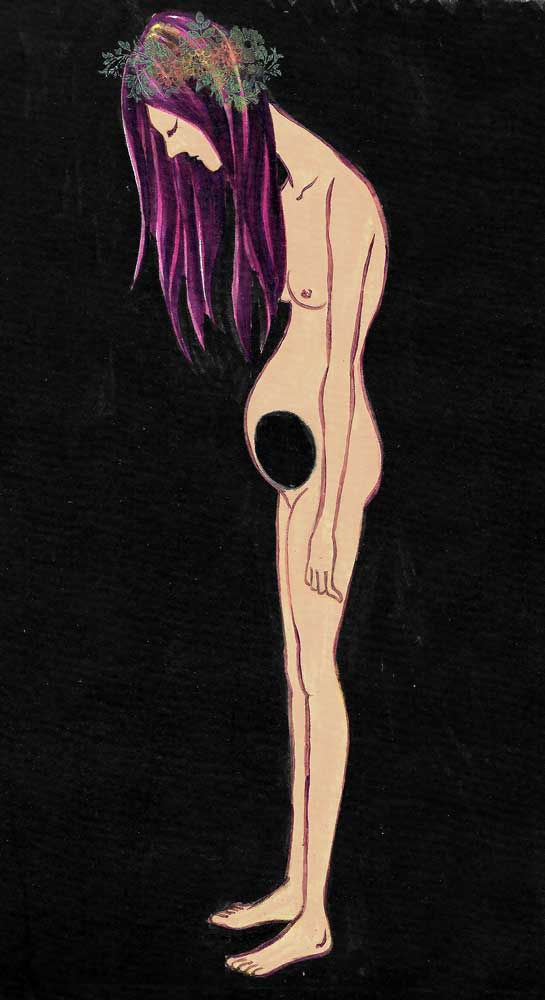
If I were to describe my autistic burnout, it was as though I was lying at the bottom of a well, all cold, muddy and wet without anything to hold onto to climb up.
I took a break from my illustrator work after I dragged my last book project to the finish line, marathon style. The worst part was that I also lost the ability and desire to make art—the one thing I was preventing to happen happened! I then allowed myself do nothing for however long necessary. I responded to my needs—big and small, while I learned how to ask for accommodations from loved ones and colleagues. I aimed to understand what setting boundaries, generational trauma healing and unmasking meant. I waited to share my diagnosis until I felt emotionally prepared to handle reactions. I was simultaneously learning and educating. A diagnosis is an explanation—not a cure and certainly not an excuse. More importantly, I made an effort to understand and embrace how my neurodivergent brain genuinely functions to avoid further burnouts or major illnesses.
Was it worth it?
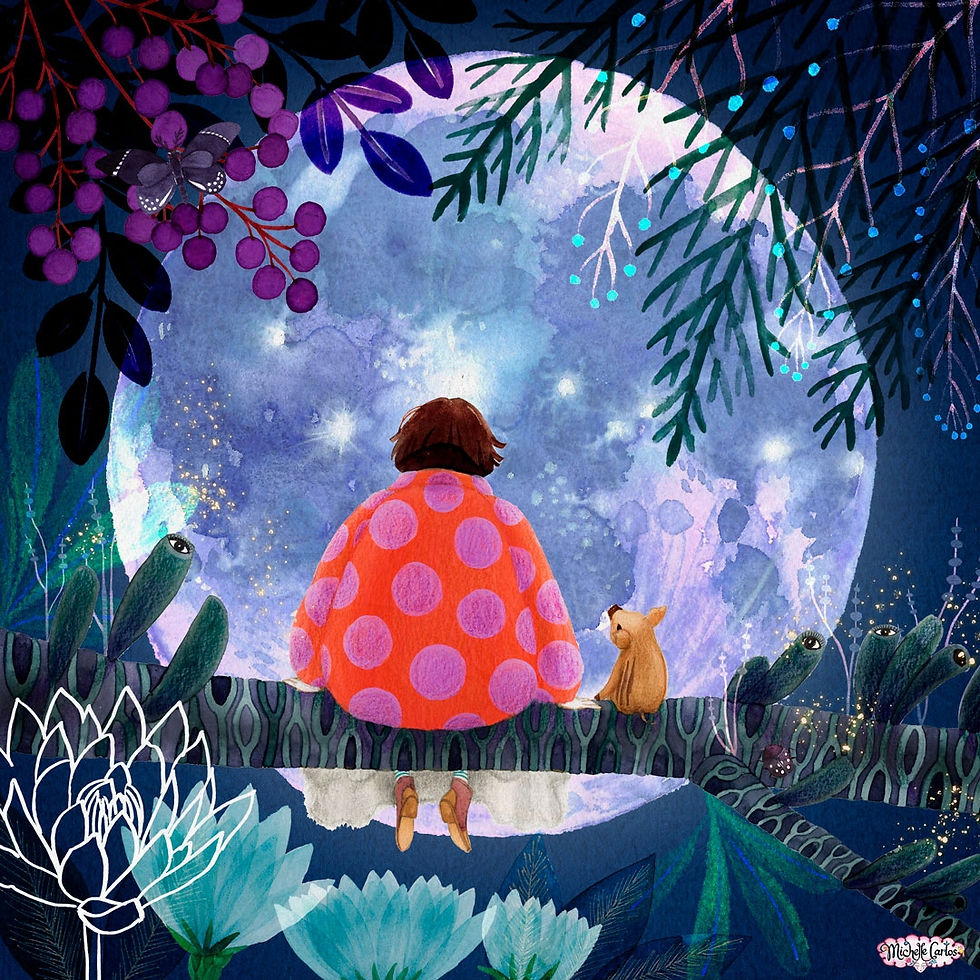
If I had known I would be thrust into this terrible burnout immediately after a diagnosis, would I have still gone through with it? Yes, I would because it meant self-discovery, understanding, acceptance, resilience, and saving my life. I found peace in realizing that I was not a misbehaving child, a lazy teenager and a broken adult, but instead widely misunderstood due to my difference. My difference was not a character flaw but rather an atypical brain structure and biochemistry.
Since then I have gone back and forth deciphering which part of me was the performer pretending to be “normal” and which part was authentic. Neurodiversity is part of my identity now. It has always been. Yet, the bravery to face the unknown, no matter the result, was entirely mine. I began with a single quest: to find the root cause of my cancer, which set off a chain of events that brought me to where I am now. It turns out that the only way to climb out of that unfathomable well was compassion.
Let’s normalize the conversation about neurodiversity, but let’s also not trivialize the experiences of neurodivergent individuals. While raising awareness about these conditions in the mainstream can advocate for support and understanding, glamorizing each quirk might downplay the seriousness of real struggles and even exacerbate stigma.
Cancer is complex and there is no singular cause. I am not a medical expert nor a scientific researcher. This topic has become a special interest, hence the unrelenting desire to find out what might have caused mine, especially when a constellation of debilitating symptoms arouse since my operation that significantly impacted my work, relationships and quality of life. My case is complicated, multifaceted, and virtually unprecedented in the realm of outdated male-centric medical practice. Major studies about the relationship between autism, ADHD, hormones and peri-/menopause have only emerged in this decade, and medicine and health policies still need to align with them. There is no way I will be able to answer this accurately using scientific methods, but at least I now have an idea on what put me at a high risk for cancer. In this manner, I could gain the language necessary to recognize problems, find appropriate solutions, prevent additional health issues, advocate for my needs and live more genuinely as a neurodivergent woman.

Additional Sources:
Diagnostic and Statistical Manual of Mental Disorders Fifth edition: DSM 5, American Psychiatric Association
High neural noise in autism: A hypothesis currently at the nexus of explanatory power, Raul et al., 2024
Exclusion of females in autism research: Empirical evidence for a “leaky” recruitment‐to‐research pipeline. D'Mello et al, 2022
Is There a Bias Towards Males in the Diagnosis of Autism? A Systematic Review and Meta-Analysis, Cruz et al., 2024
Understanding The Autistic And ADHD Nervous System, Dr. Megan Neff, 2022
Neurochemistry of Autism, Marota et al., 2020
4 Big Insights About ADHD Brain Chemistry, Nathaly Pesantez, 2026
Inflammation markers and risk of endometrial and ovarian cancer, Nicolas Wentzensen MD, 2010
Causal relationship between inflammatory factors and gynecological cancer: a Bayesian Mendelian randomization study, Dang et al., 2024
Perimenopausal Symptoms Are More Severe, Begin Earlier in Women with ADHD, Melanie Wolkoff Wachsman, 2026
ADHD in Females Across the Lifespan and the Role of Estrogen, Littman et al. 2021
Understanding autistic burnout, Dr. Dora Raymaker, 2022
“The World’s Really Not Set Up for the Neurodivergent Person”: Understanding Emotion Dysregulation from the Perspective of Autistic Adults, Beck et al, 2024
YouTube and Podcasts:
Highly Sensitive People & Autism: The HSP Profile of Autism (CPTSD & ASD Series), Dr. Kim Sage, Licensed Psychologist
Books/Audiobooks:
Autistic Menopause: A Guide to the Menopausal Transition for Autistic People and those Supporting Them, Julie Gamble-Turner, Rachel Moseley, 2025
Menopause and ADHD How to navigate hormone flux and neurodivergence, Helen Wall, 2026
Explaining AuDHD: The expert-led guide to Autism and ADHD Co-concurrence, Khurram Sadiq, 2025
The Lost Girls of Autism: The Untold Story of Women on the Spectrum, Gina Rippon, 2025
Women and Girls on the Autism Spectrum, Second Edition: Understanding Life Experiences from Early Childhood to Old Age, Sarah Hendrickx, Jess Hendrickx, Judith Gould, 2024
Rediscovered: A Compassionate and Courageous Guide For Late Discovered Autistic Women (and Their Allies), Catherine Asta, 2025
Visual Thinking: The Hidden Gifts of People Who Think in Pictures, Patterns, and Abstractions, Temple Grandin, 2022
The Body Keeps the Score Brain, Mind, and Body in the Healing of Trauma, Bessel van der Kolk M.D., 2021


Comments